
👋 I'mMuhammad AnasA Full Stack Engineer
I collaborate with enterprises to develop robust, scalable, and user-centric web applications, focusing on end-to-end solutions that integrate seamless user interfaces with powerful backend systems, ensuring performance, security, and accessibility.
Achievements and Adventures
When you go on a path of development, each milestone becomes an initial step toward greater accomplishment. Here's a look at the numbers that have shaped my experience as a full stack engineer.
- 100+
- PROJECTS COMPLETED
- 25+
- SATISFIED CLIENTS
- 30+
- WEBSITES OPTIMIZED
- 100k+
- WEBSITE INSIGHT
"Anas is an exceptional full stack developer. His ability to seamlessly integrate complex backend logic with intuitive front-end interfaces is outstanding. His commitment to quality, including security and performance optimizations, sets him apart."

Mirza Usman
CEO & Founder- NetixSol
"Working with Anas has been a game-changer for our projects. His full stack expertise allowed us to rapidly develop and deploy scalable solutions. He's proactive, communicates effectively, and consistently delivers high-quality results."

Naveed Sarwar
CEO & Co-Founder - TechloSet
"Anas delivered a complete end-to-end solution that exceeded our expectations. His ability to balance front-end usability with powerful backend systems was exactly what we needed. Quick to adapt and always reliable."

Florian H.
Freelance Client
Recent Projects
Take a look at my most recent projects, showcasing how I leverage full stack expertise to create robust, future proof and end-to-end web applications.
SearchAtlas
A SEO and marketing platform built around OTTO, which audits your site, writes and deploys optimizations, and keeps running without you babysitting it. I worked on onboarding that gets new users from signup to their first automation running.
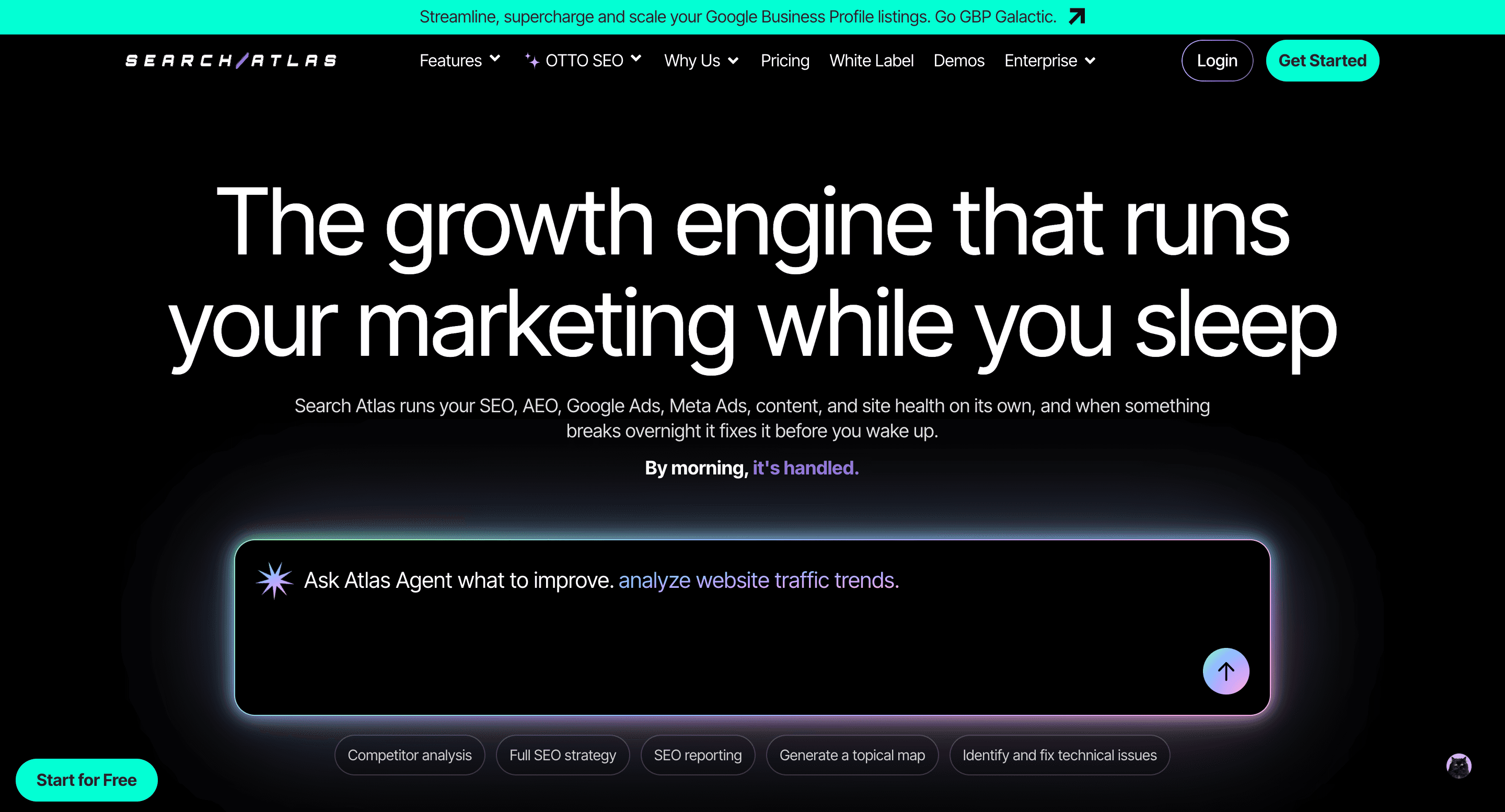
SEO That Actually Executes
SearchAtlas sits on top of a 72+ tool suite covering on-page, technical, local, and off-page SEO. The real differentiator is OTTO SEO. Install one pixel, feed it your brand context, and it starts pushing live changes to your site through any CMS. No developer needed. My contribution was the onboarding pipeline: an MCP and LangChain flow that walked users through setup, surfaced the right automation pathways early, and cut drop-off during trial.
OTTO SEO won Best AI Search Software at the Global Search Awards 2025, beating Semrush and Ahrefs. The onboarding system I built is what gets users to that first 'aha' moment with the product.
Waltz AI
A marketing platform where you describe what you want and it builds landing pages, full websites, email campaigns, and images. It also has a built-in CRM and analytics layer so everything you create is connected to how it's actually performing.
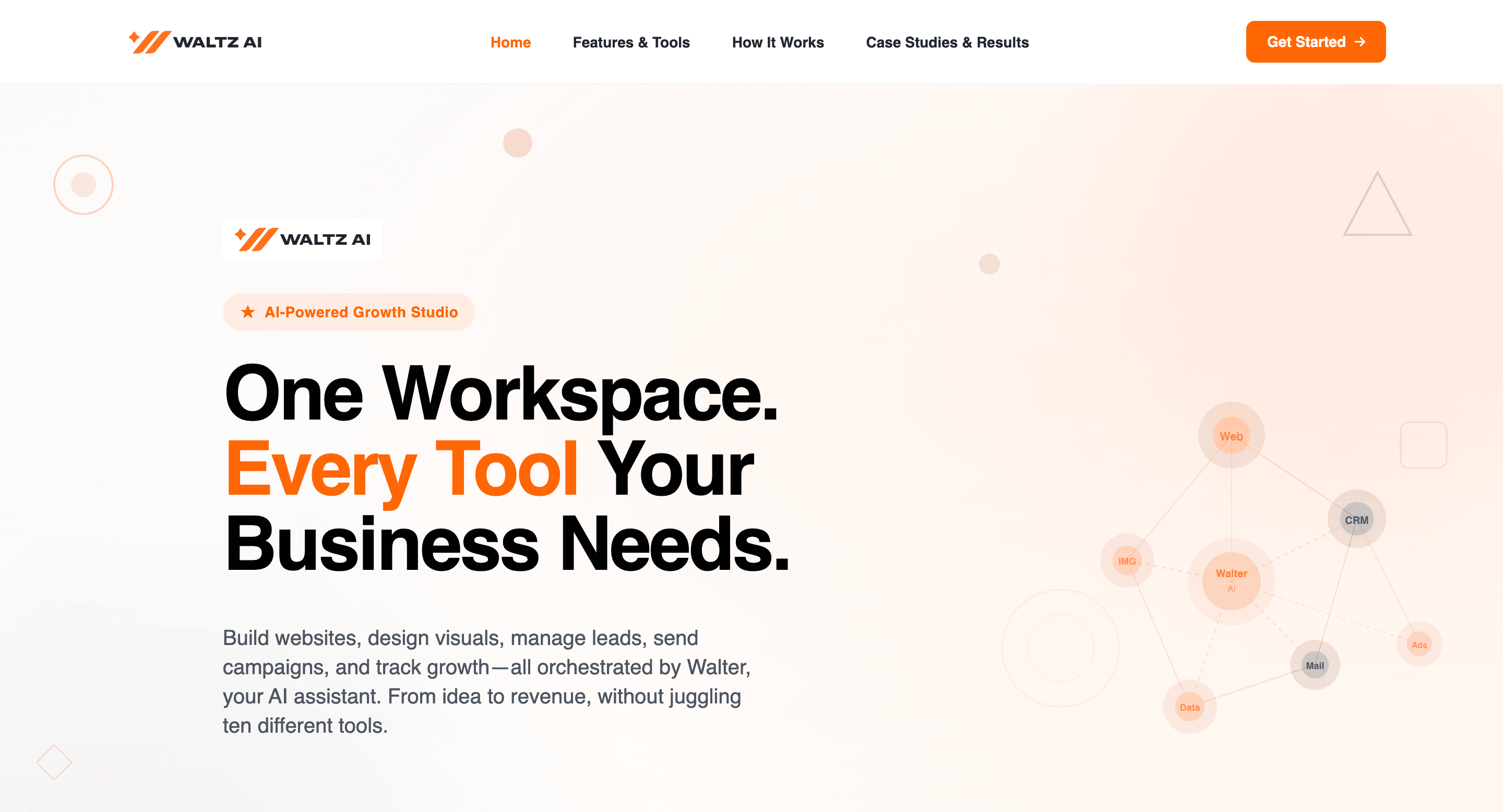
Text to Website, End to End
Waltz AI lets you skip the drag-and-drop and just type. One prompt generates a full multi-page site with structured sections, then you customize from there. The platform ties your designs directly into a CRM pipeline and tracks behavior (heatmaps, drop-offs, open rates) so you're not just building things, you're watching them work. I worked on the website generation feature and helped connect the design output pipeline to the analytics backend.
The hardest part wasn't the generation. It was making the generated output feel like something a human actually designed, not a template spat out by a model.
Socialmize
A social media tool for content creation, scheduling, and optimization. You feed it your brand context and it handles the content calendar side of things: drafts, schedules, and tracks what's working.
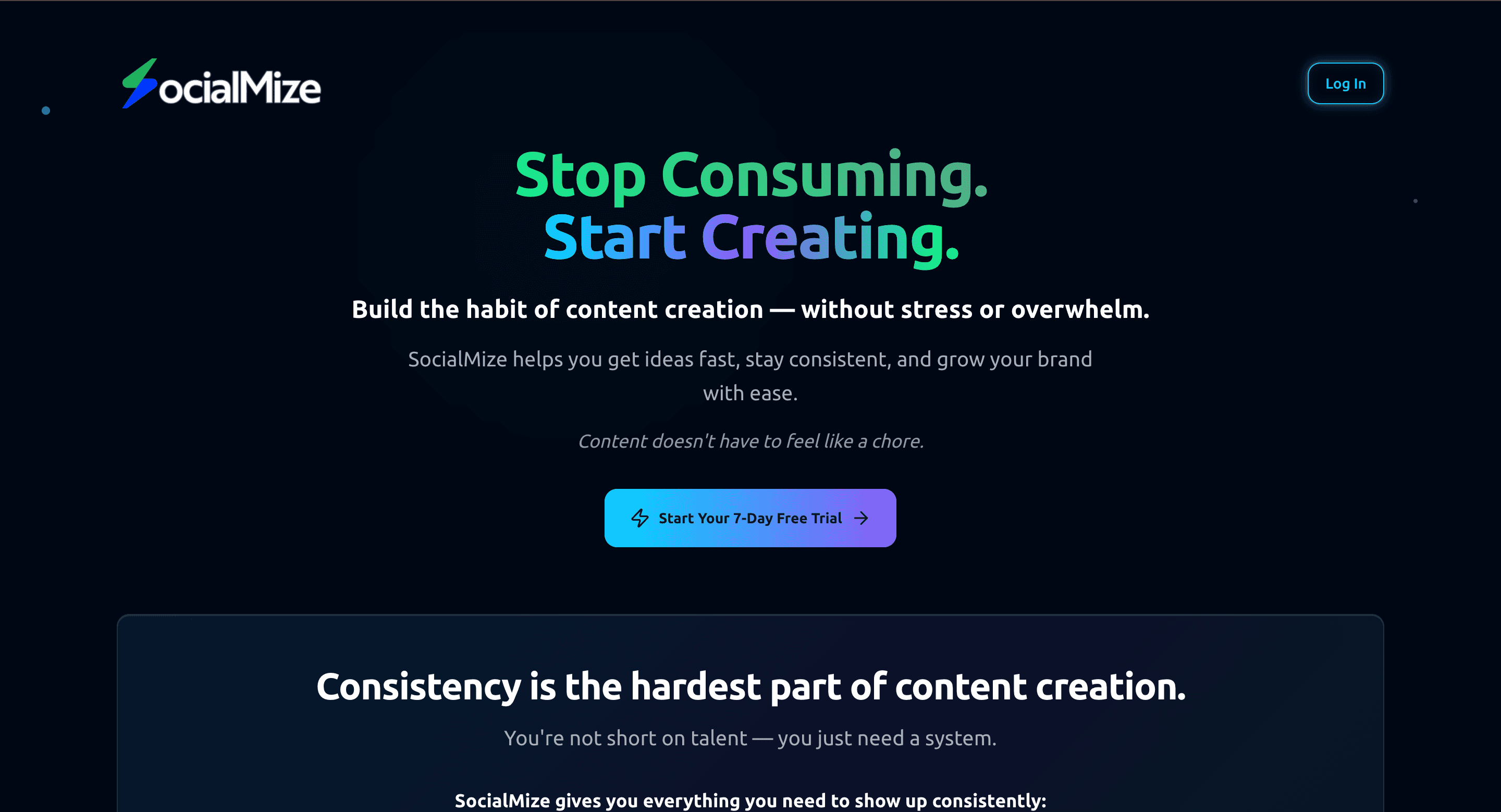
Content Scheduling for Social Teams
Socialmize is aimed at teams and creators who don't want to spend half their week writing captions. It generates platform-specific content from prompts, manages scheduling across channels, and gives you performance data to refine what you post next. I built out parts of the backend content pipeline and the scheduling infrastructure.
Built on Lovable under the hood for the frontend scaffolding. The real work was making generated content not sound like it was written by a bot.
Apporto
A cloud desktop platform, basically a full virtual computer running in your browser. Used mainly in education and enterprise for virtual labs, remote work, and secure exam environments. No installs, no hardware requirements, just open a tab and you're in.
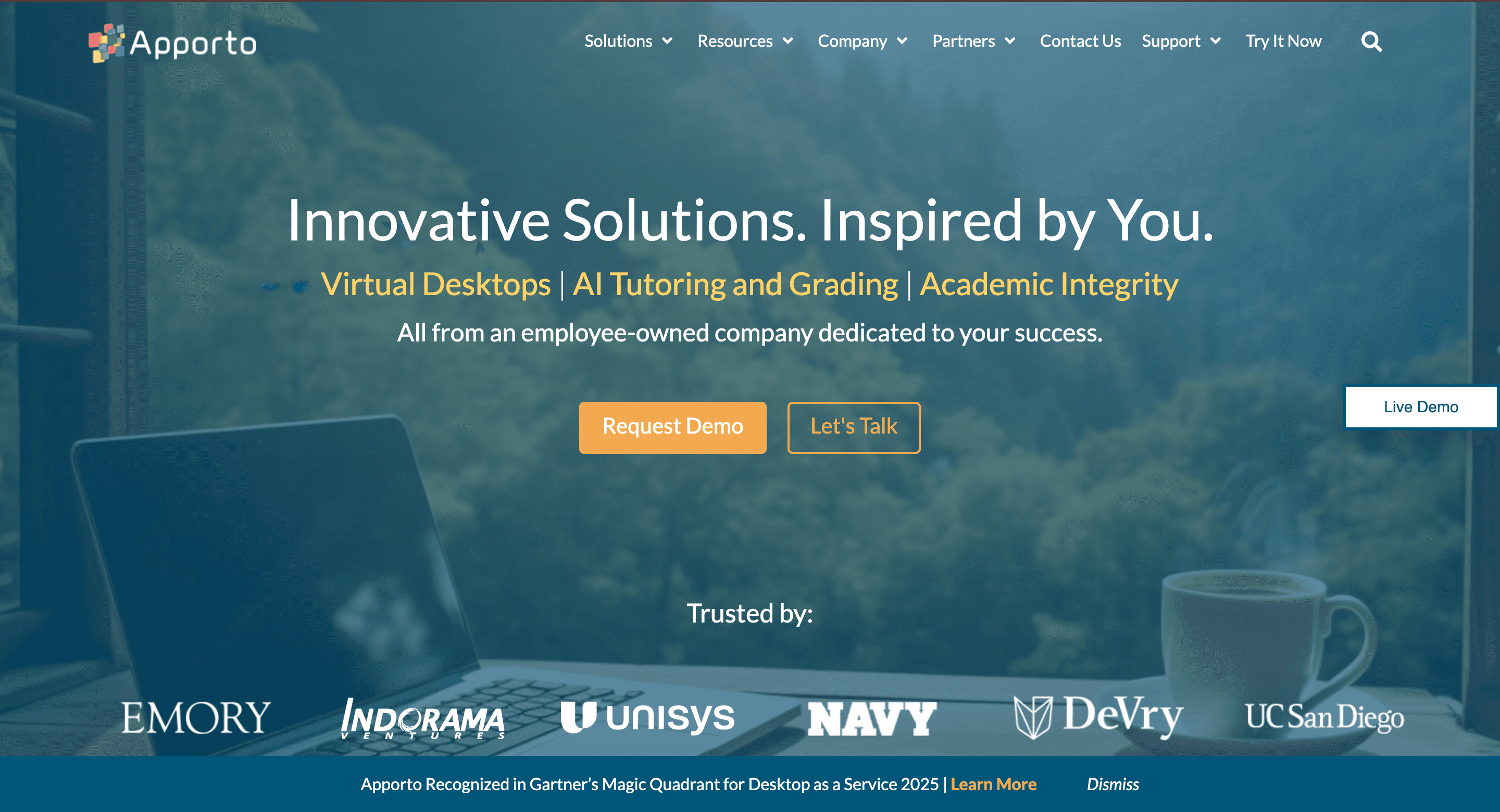
Browser-Based Virtual Desktops for Education and Enterprise
Apporto delivers full desktop environments through a browser, which sounds simple until you're dealing with the infrastructure behind it. The platform covers virtual computer labs, cybersecurity sandboxes, zero-trust desktops, and education tools like CoTutor and PowerGrader. I worked on microservices architecture and Kafka-based event streaming as part of their backend engineering team, mostly focused on reliability and throughput at scale.
Jumping into Kafka and pub/sub from scratch on a production system was a steep ramp. Worth it though. The architecture patterns I picked up here changed how I think about distributed systems.
Zappy Health
A telehealth platform focused on weight loss and longevity. Patients can get GLP-1 prescriptions (Semaglutide, Tirzepatide, Wegovy, Zepbound), connect with providers online, and manage their treatment plan without setting foot in a clinic.
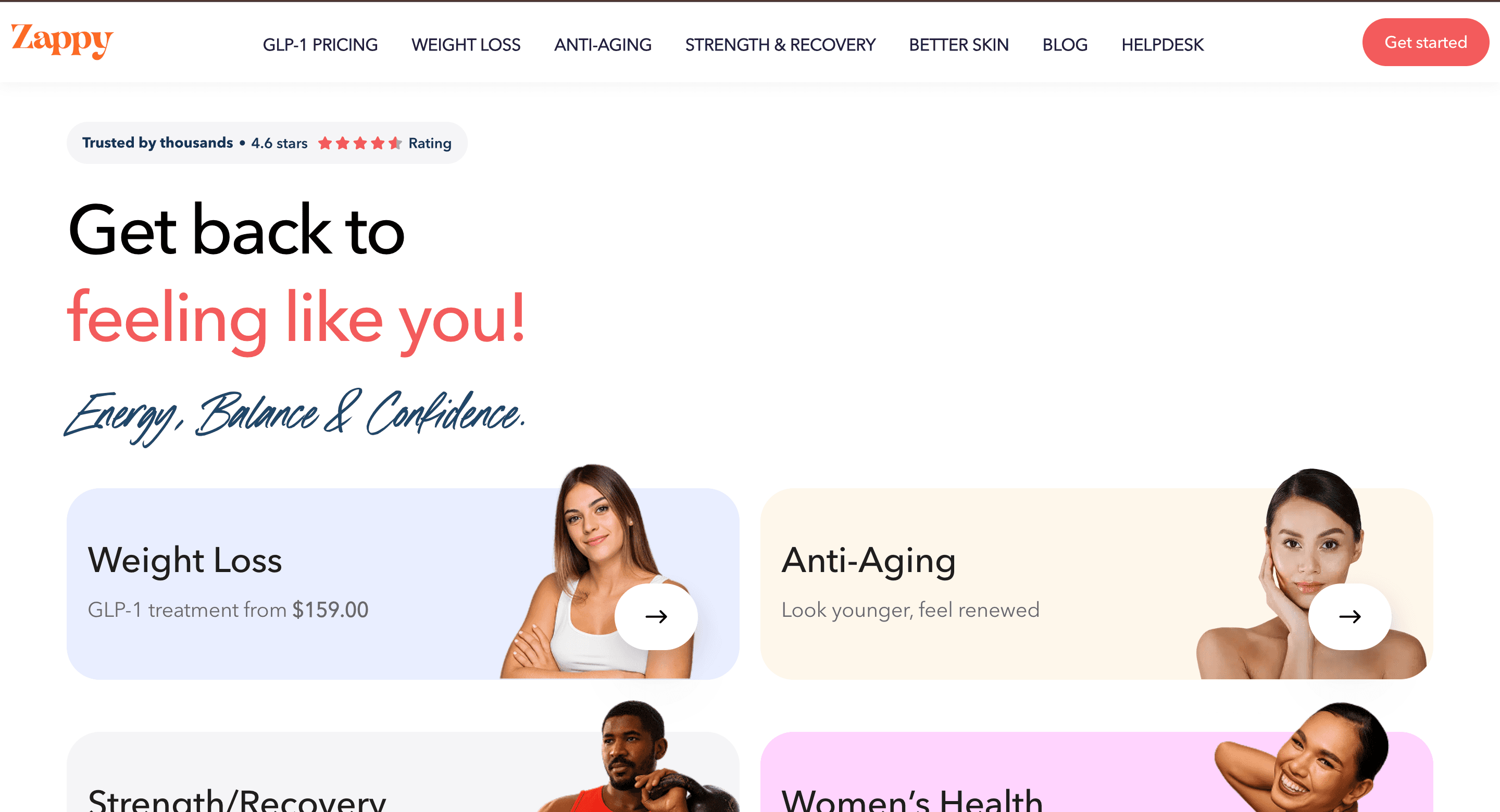
Online Weight Loss and Telehealth Care
Zappy Health handles the full patient journey digitally, from intake and provider matching to prescription fulfillment and ongoing check-ins. They offer structured programs around GLP-1 medications, anti-aging stacks, and strength/recovery protocols, all accessible through a web portal. I worked on the patient-facing application and some of the backend integrations connecting the booking system to provider workflows.
Healthcare apps have a different kind of pressure than typical SaaS. The margin for broken flows is basically zero when someone's managing their medication schedule through it.
Native Metrics
An independent content network running 50+ sites across entertainment, lifestyle, finance, health, and tech. The pitch is basically: real stories from human writers, paired with a monetization engine that keeps tuning performance and ad revenue in real time, so the content actually earns instead of just sitting there.
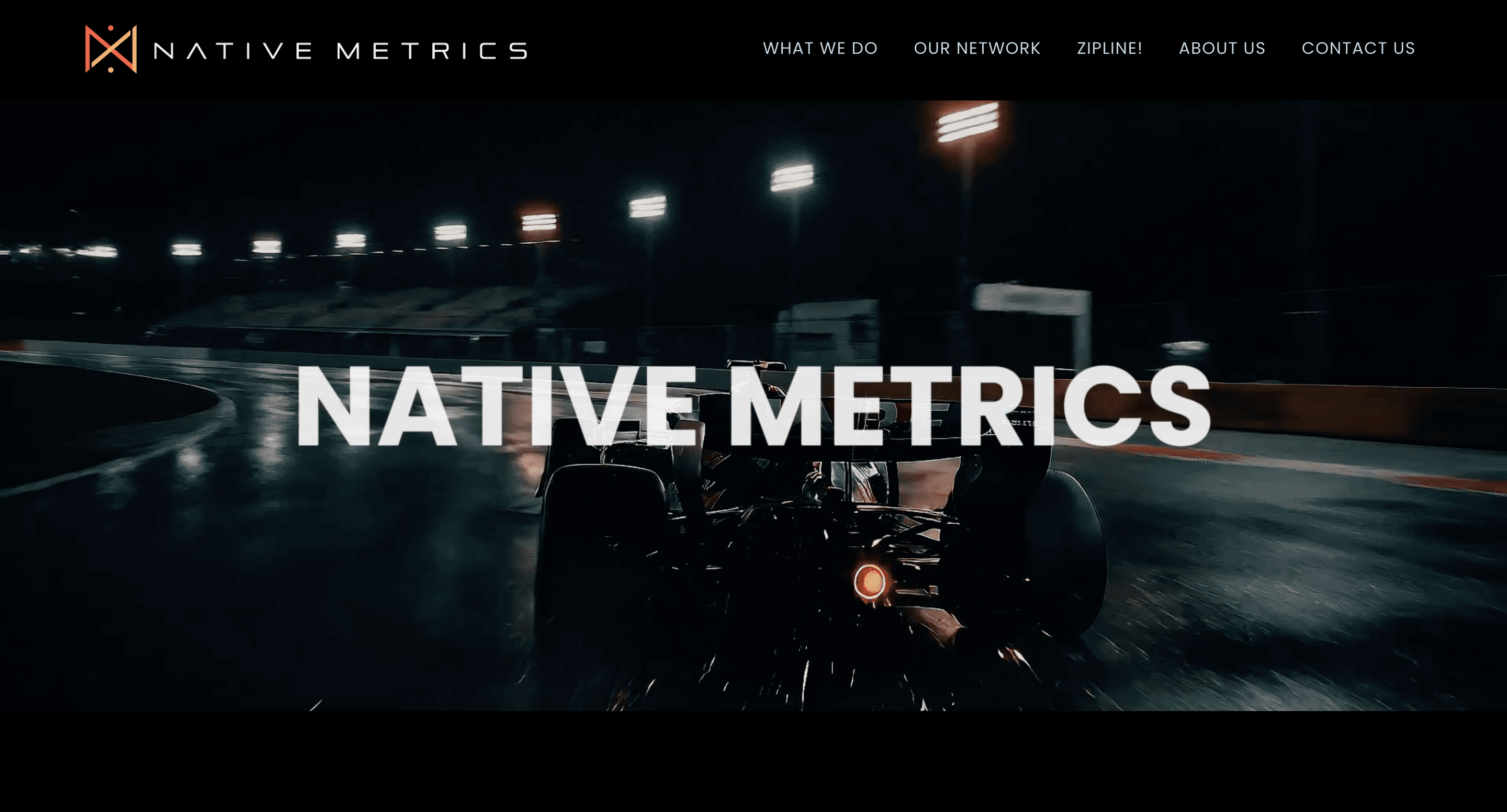
Content Network Operations and Monetization
Native Metrics is built around three things: a network of 50+ editorial sites, writers producing content across major verticals, and a monetization engine that continuously optimizes ad performance and revenue at scale. They work with publishers, brands, and agencies looking to scale smarter rather than just louder.
Money/media clients think in a different currency than SaaS clients, page speed, ad density, and content velocity are all pulling against each other, so a technical fix that helps one usually costs you on another.
Radius+
A market intelligence platform built for the self-storage industry. It tracks pricing, supply, and demand across thousands of facilities in the US so developers, operators, lenders, and investors can see what's happening in a market before they commit money to it.
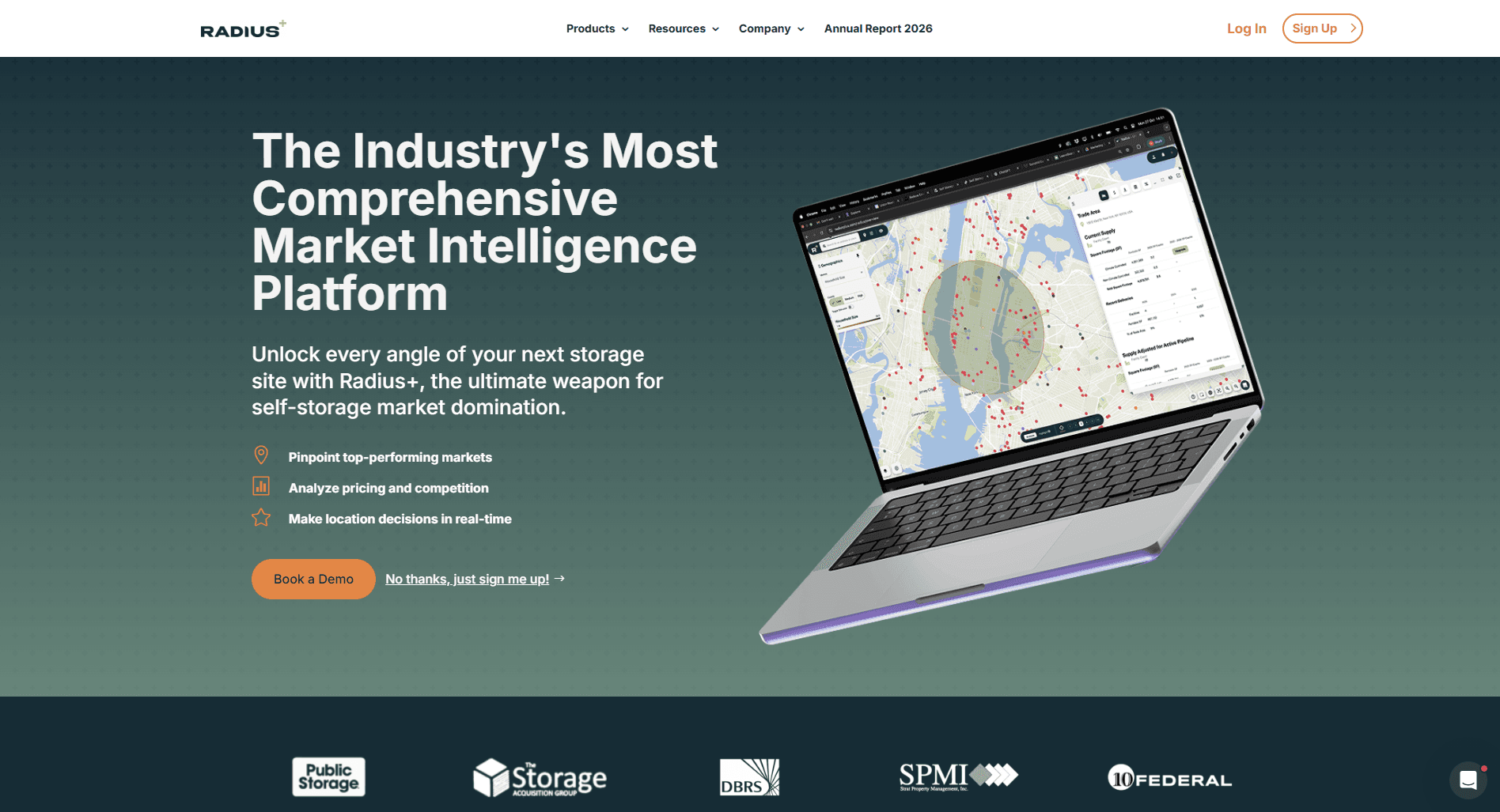
Self-Storage Market Data in One Dashboard
Radius+ pulls in unit-level rental rates every day and lets you slice them by company, region, unit size, or feature. On top of that you get supply and demand analysis for any trade area, CBSA-level trends for occupancy and employment, and a comps tool that works a lot like a pivot table. Developers use it for site selection, lenders use it for underwriting, and operators use it to keep an eye on the competition down the street.
The platform covers 18,000+ facilities and processes over 100,000 data points a day. It also has an Excel plug-in called Radius+ Relay, since a lot of people in this industry still live in spreadsheets.
You're in experienced hands
Are you ready to push the boundaries of what's possible? I specialize in building solutions that combine functionality with flair. My mission is to transform your vision into a robust digital reality.
Full Stack Development
Bring your ideas to life with end-to-end solutions that combine robust backend systems and engaging frontend interfaces.

- Building responsive web applications that adapt to any device.
- Leveraging technologies like Node.js and Next.js for scalable solutions.
- Creating dynamic interfaces with intuitive user experiences.
- Developing APIs for seamless data integration and communication.
- Optimizing application performance for enhanced user engagement.
SaaS Solutions
Develop scalable software as a service (SaaS) applications that streamline operations and drive business growth.
- Designing multi-tenant architectures for efficiency.
- Implementing robust authentication and authorization protocols.
- Integrating cloud services for scalability and reliability.
- Creating user-friendly dashboards for data insights.
- Ensuring high availability and performance through best practices.
Blockchain Development
Explore innovative blockchain solutions that enhance security, transparency, and trust in your digital transactions.
- Building decentralized applications (dApps) for various industries.
- Implementing smart contracts for automated processes.
- Integrating blockchain technology for secure data management.
- Conducting thorough audits to ensure code security.
- Providing consultations on blockchain strategy and implementation.